All Categories
Featured
Improving Community Resilience through Better Los Angeles...

Southern California Green Analytics for Commercial Portfo...

Is Maintenance Quality Via Regional Hubs
Table of Contents
The middle school campus at Sidwell Pals School in Washington, D.C. is LEED Platinum, with a green roofing system, wetlands, rain garden, and on-site wastewater reuse.
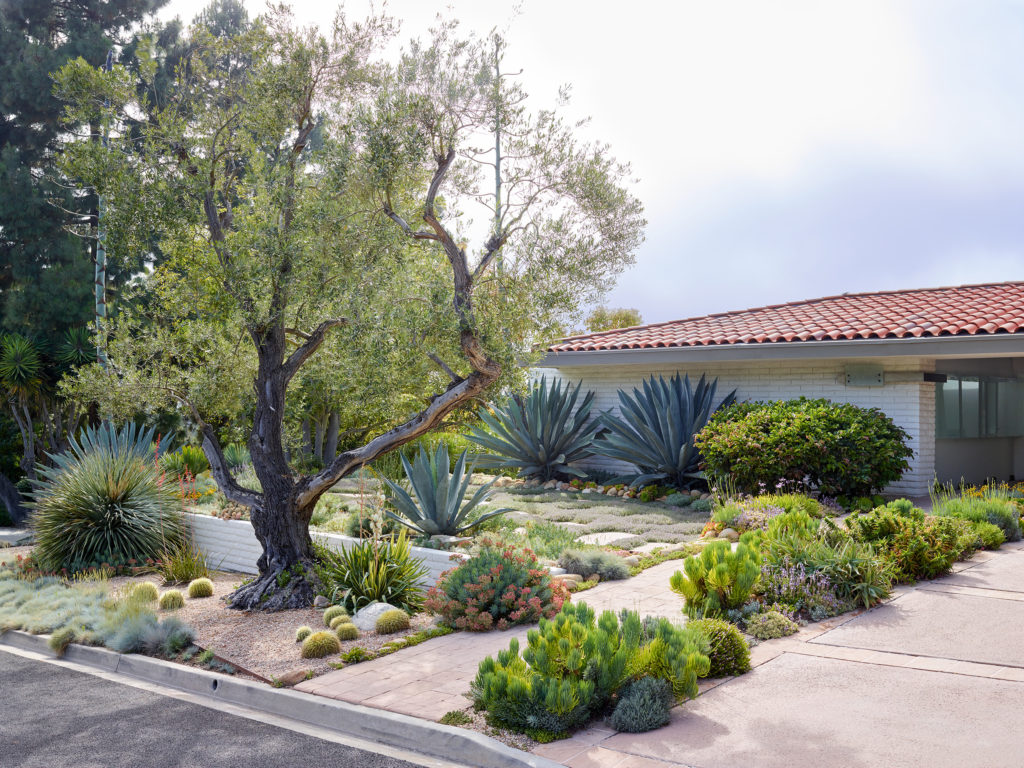
Los Angeles experiences a Mediterranean climate, defined by dry summer seasons and moderate, wet winter seasons. Landscapers in this region should think about choices to ensure sustainability. The use of and native California plants permits gardens that need less water and are adapted to the regional environment. Secret elements for landscaping in Los Angeles include:: Due to frequent dry spells, it's necessary to make use of plants that require very little watering.
Comprehending soil type is vital for plant health and water management. Los Angeles is home to varied neighborhoods, each with its special landscaping visual appeals. Specific styles are commonly sought-after throughout the city.: Sleek, modern styles using concrete, structured plants, and minimalist principles are favored amongst city homeowners.: Including terracotta, olive trees, and lavender mirrors the climate and catches the essence of timeless Mediterranean gardens.
Landscapers in Los Angeles frequently blend elements from various designs to develop custom-made options that are both beautiful and ecologically responsible. Planning an effective landscaping task in Los Angeles needs awareness of the space restrictions, a coherent design to fit one's preferences, and a clear budgetary structure. These aspects form the foundation of any landscaping venture, making sure the outside living space is both lovely and functional.
How to Convert to Native Planting Successfully
Size, shape, and topography are important, as they affect design possibilities. It is suggested to think about these factors:: Small areas might gain from simple, tidy designs, whereas larger areas can accommodate more diverse features.: These affect which plants will flourish and how one might use the area throughout the day.
The next step is to select a landscaping design that shows the property owner's personality while complementing the home's architecture. Popular designs in Los Angeles range from drought-tolerant xeriscaping to rich tropical gardens. Aspects to consider in design selection consist of:: Whether the property owner delights in modern-day, conventional, or eclectic styles.: The landscape style need to match the home's architectural elements.
It is crucial to develop a reasonable budget that represents style, materials, and labor. Budgeting tips consist of:: Breaking down the spending plan into smaller sized classifications like plants, hardscape products, and labor can help in handling expenses.: Allocating an additional 10-20% of the overall budget plan for unexpected expenses can assist mitigate unanticipated expenditures.
When planning landscaping in Los Angeles, it's vital to pick plants that prosper in the local environment and to select products that are both sustainable and serve a practical purpose in the space. Los Angeles gardens gain from planting native species which are naturally adapted to the region's environment. such as and specific shrubs, conserve water and need less irrigation.
Steps to Convert to Native Landscapes Efficiently
Integrating components with a sustainable method indicates making use of materials that are both in your area sourced and eco-friendly. Alternatives include: Product Uses Notes Decomposed Granite Pathways, patios Permeable, help in water conservation Reclaimed Wood Fences, decks Lowers demand for new lumber Recycled Concrete Retaining walls, pathways Diverts waste from landfills Using these materials not just develops a cohesive look with the natural environments but also promotes sustainability in Los Angeles' varied landscape.
Commercial Landscaping WestminsterConsider integrating an that is both effective and saves water, like drip irrigation or a wise watering system. These options contribute to a garden that is not only lovely however likewise useful for day-to-day living and amusing.
Landscape specialists meticulously manage each phase to guarantee sturdiness and visual appeal. Landscape designers are essential in crafting a cohesive visual plan that aligns with a client's vision and the spatial truths of their home. They normally prepare comprehensive drawings and in some cases use 3D modeling, enabling clients to picture the job before building and construction starts.
Optimizing Water Savings Through California Landscape Updates
Initial meeting to discuss goals and budget. Assessment of the area, including soil, topography, and existing functions. Presentation of a conceptual style plan. Modifications made based on customer feedback. Approval of the comprehensive style with all aspects like pavers and lighting included. The setup process involves the actual building and planting under the guidance of a landscape contractor.
Furthermore, they supervise the planting of trees, shrubs, and flowers, and the integration of water functions and outside lighting, ensuring that each element is correctly set up for longevity and performance. Cleaning the website and preparing the ground for building and construction and planting. Setup of pavers and structure of structures like walls or decks.

Latest Posts
Readying Your Portfolios for 2026 ESG Standards
Adopting Key Sustainability Metrics for 2026
Improving Community Resilience through Better Los Angeles County