All Categories
Featured
Advantages of Regional Maintenance Service for Regional P...
Strategic Drought-Resistant Solutions for Commercial Land...

Regional Service Hub Best Practices for Southern California

Optimizing Eco-Friendly Practices
Table of Contents
"Individuals do not realize that mainstream plants such as camellias and boxwood, for instance, can go months without water," said horticulturist Tom Ash of WeatherTRAK, a business that established weather-based sprinkler timers that water only when they sense your plants require it. "Property owners usually overwater their landscapes by 50 percent," he said.
A California-friendly landscape is about the plants. And it is also about the plant keeper: the homeowner who decides when and how much to water and takes an active role in where the water goes.
If you believe yuccas are yucky, dig a little much deeper into your gardening books to discover plants that rely on a lot less water than possibly you thought. Daffodils don't need a drop of water in the summer season, if you get my drift.
Turf is the biggest water drinker in the landscape, needing 70 percent of the landscape water we use. On the other hand, it is also effective at managing erosion and lowering runoff on slopes. Use it only where it will be part of the service. Water less. The No. 1 reason that plants fail is overwatering, a reality that many homeowners persist to concede.
Steps for Updating Existing Commercial Landscapes
You might be astonished at how much your plants can live without. Do not waste water. Ash says that of the 70,000 gallons we use on landscapes a year, 50 percent is squandered in runoff, watering leakages and overwatering. Control overflow. According to the Surfrider Foundation and Orange County Coastkeeper, letting water hit the curb for any factor is bad.
Commercial Landscaping Los AngelesMulch like there is no tomorrow. Three inches of mulch go a long method towards keeping the water we do use. If you believe you are already skilled at conserving water in your landscape, you can test your mettle to discover out. The countywide California Friendly Landscape Contest runs through June 1.
All gardens will be evaluated by the public very first ("American Idol"-style), who can see and vote online at from June 1 to July 1. Finalists will then be selected by a panel of judges. Discover contest details, guidelines and application details at . 1. Learn more about the plants you currently have.
Strategic Support Hubs Across Southern California
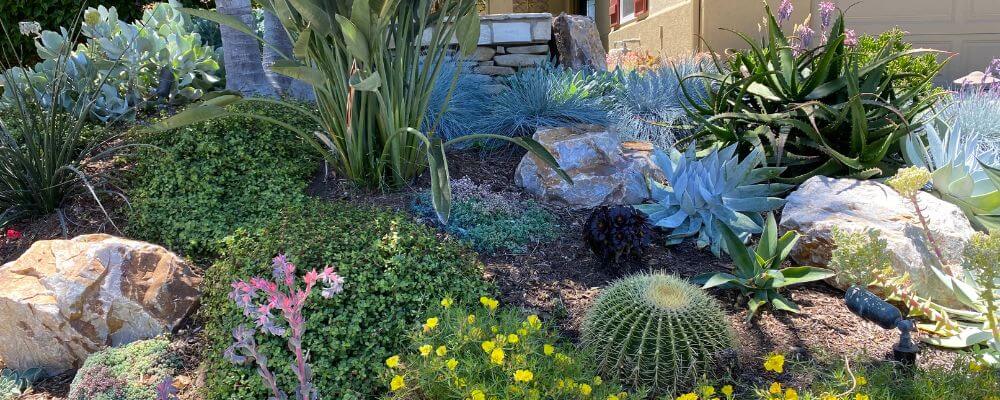
Group plants according to water needs. 2. Broaden your plant scheme. California-friendly plants can consist of and are not restricted to ornamental grasses, bulbs, shrubs, locals, succulents and most plants from Mediterranean environments worldwide. 3. Take note of style. Not all drought-tolerant landscapes need to be dull as dirt. Let an imaginative design, and not always the plants, take spotlight.
The judges will be looking for 3 inches at least. Install a weather-based timer that senses the moisture level in your soil and the air and integrates the info with understanding of your landscape to water only when your plants require it.
Be your own wise timer. Find out to read your landscape, take a look at the soil and plants and think about the climate before you turn the water turn on. 7. Control overflow. Ensure a single drop never hits your driveway or the seamless gutter. 8. Look into permeable hardscape items such as pavers and gravel that filter water before it drips into the watershed.
Go organic. Give drier landscapes a great track record by keeping your landscape pinched and pruned to excellence. Low water doesn't suggest low upkeep.
All gardens will be judged by the public first ("American Idol"-style), who can see and vote online at from June 1 to July 1. Find out about the plants you already have.
Modern Commercial Real Estate Upkeep Protocols
Group plants according to water needs. 2. Broaden your plant combination. California-friendly plants can consist of and are not restricted to ornamental turfs, bulbs, shrubs, locals, succulents and the majority of plants from Mediterranean environments worldwide. 3. Pay attention to design. Not all drought-tolerant landscapes require to be dull as dirt. Let a creative style, and not always the plants, take center stage.
The judges will be looking for 3 inches at least. Install a weather-based timer that senses the wetness level in your soil and the air and combines the details with knowledge of your landscape to water only when your plants need it.
Discover to read your landscape, look at the soil and plants and think about the climate before you turn the water switch on. Make sure a single drop never ever strikes your driveway or the seamless gutter. Look into permeable hardscape products such as pavers and gravel that filter water before it trickles into the watershed.
Key Advantages of Integrating Native Plant Species
Go natural. Enough said. 10. Offer drier landscapes a good credibility by keeping your landscape pinched and pruned to excellence. Low water doesn't suggest low maintenance. Low maintenance doesn't indicate careless. or 714-796-5023.

Latest Posts
Optimizing Eco-Friendly Practices

Advantages of Regional Maintenance Service for Regional Properties
Strategic Drought-Resistant Solutions for Commercial Landscapes